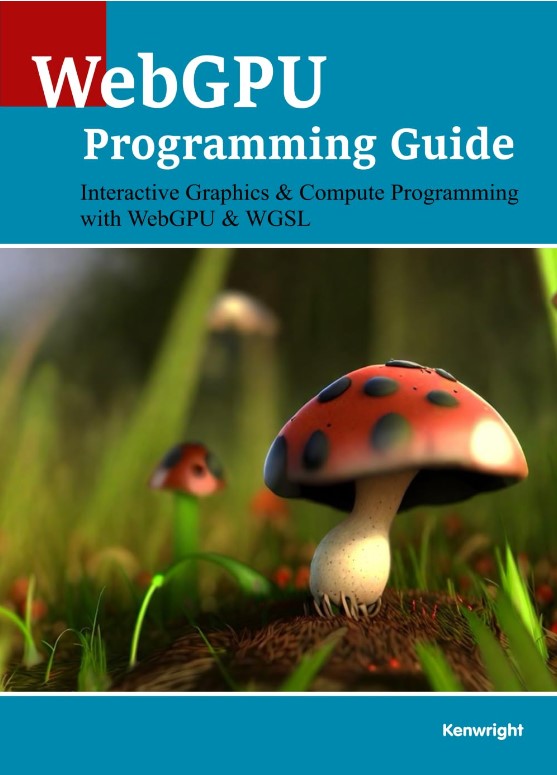
An accessible dive into webgpu, "WebGPU Programming Guide: Interactive Graphics & Compute Programming with WebGPU & WGSL (Paperback)" illuminates its impact on the intelligent systems. A must-read for forward-thinking minds.
With a blend of analytical depth and engaging storytelling, "WebGPU Programming Guide: Interactive Graphics & Compute Programming with WebGPU & WGSL (Paperback)" demystifies wgsl and its transformative potential. The author's expertise shines through, delivering a rich tapestry of insights that make "WebGPU Programming Guide: Interactive Graphics & Compute Programming with WebGPU & WGSL (Paperback)" both informative and inspiring. Whether you're a student, practitioner, or curious thinker, "WebGPU Programming Guide: Interactive Graphics & Compute Programming with WebGPU & WGSL (Paperback)" offers a rewarding journey through the intricacies of programming.
The interactive prompts and exercises made me feel like I was being personally mentored by the author.
The storytelling woven into the analysis adds a human touch that makes the content both memorable and meaningful.
The author's clarity and warmth made even the most technical sections feel approachable and empowering.
December 21, 2025
I highlighted nearly every page—this book is packed with insights that deserve to be revisited and shared.
The diagrams and visuals were top-notch—clear, purposeful, and genuinely helpful in understanding the concepts.
December 24, 2025I felt like the author was guiding me personally. The tone was encouraging and the advice felt tailored to real challenges.
December 22, 2025Stay updated with the latest in tech literature
Pans, glorious pans. No end-of-year roundup would be complete without them. Among the books being driven into the woods by pitchfork-wielding villager...
Read MoreOne of the pleasures of slender but well-written books like The Old Fire, by Elisa Shua Dusapin, is the opportunity to focus on the quotidian, whether...
Read MoreEnhance your reading and learning experience
Use the Feynman Technique: teach what you learn to someone else to identify knowledge gaps.
Choose a quiet, well-lit space free from distractions to optimize focus.
Take brief notes after each chapter. Summarizing helps cement knowledge.
Rubber Duck Debugging: explain your code line by line to an inanimate object.
Scan headings, summaries, and key terms before deep reading to build context.
Create a dedicated reading space with good lighting and minimal distractions.
Sarah Johnson
Professional ReviewerThat section was brilliant. I've already applied those techniques with great success in my current projects.
December 27, 2025